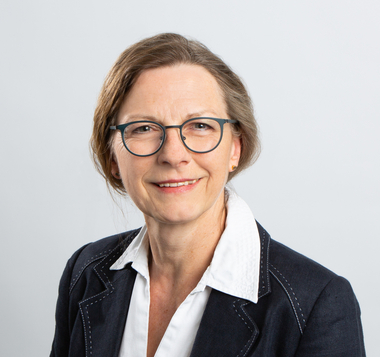


Four decades of process engineering – the start of Dietmar Alber’s farewell tour – first stop at Jordan Minerals Est. in Amman
 © Lukas Höpfner, AT MINERAL PROCESSING
 © Lukas Höpfner, AT MINERAL PROCESSING
 © Lukas Höpfner, AT MINERAL PROCESSING
 © Lukas Höpfner, AT MINERAL PROCESSING
 © Lukas Höpfner, AT MINERAL PROCESSING
 © Lukas Höpfner, AT MINERAL PROCESSING
 © Lukas Höpfner, AT MINERAL PROCESSING
 © Lukas Höpfner, AT MINERAL PROCESSING
 © Lukas Höpfner, AT MINERAL PROCESSING
 © Lukas Höpfner, AT MINERAL PROCESSING
 © Lukas Höpfner, AT MINERAL PROCESSING
 © Lukas Höpfner, AT MINERAL PROCESSING
 © Lukas Höpfner, AT MINERAL PROCESSING
 © Lukas Höpfner, AT MINERAL PROCESSING
For almost four decades, Dietmar Alber has been travelling the world on behalf of Hosokawa Alpine. From Asia to the Middle East and on to North and South America, he has overseen projects, developed technical solutions in collaboration with customers and established international markets.
This extraordinary career officially came to an end in 2025: in his 40th year of service, Alber, most recently Business Development Director at Hosokawa Alpine Aktiengesellschaft, retired.
But before he finally steps back from day-to-day operations, he is setting off once more – on a personal "farewell tour". His destinations are companies with which he has been linked for decades not only by business relationships and process engineering achievements, but also by personal friendships.
The trade journal AT MINERAL PROCESSING accompanied him on this journey. The first part takes us to Amman in Jordan, to long-standing Alpine customer Jordan Minerals Est. – whilst also looking back on the career of a man who has helped shape the international minerals industry over many years.
Joining Hosokawa Alpine
When Dietmar Alber joined what was then Alpine Aktiengesellschaft in 1986, there was no way of knowing that this would lead to a career spanning almost four decades. “I joined Alpine at a time when the economic situation wasn’t particularly good,” recalls Alber. “At the job centre, they told me there was a company in Göggingen – Alpine – and that ‘take people like you’ there.”
They were referring to his unusual background: a degree in business administration combined with a trade apprenticeship as a gas and water plumber. The application process went surprisingly quickly. “I rang them up, had the interview the next day – and was offered the job on the very same day.”
On 1 September 1986, Alber started work in the export department, responsible for Asia, the Pacific region and the Middle East. “I thought at the time: I’ll just give this a go,” he says today. “In the end, it turned into 39 years.”
The fascination of process engineering
Alber immersed himself deeply in the world of process engineering from an early stage. Supported by colleagues from sales, engineering and application technology, he quickly learnt just how complex the production of the finest powders actually is. “Powder technology fascinated me straight away. New materials, applications and requirements were constantly emerging.”
Back then, sales at Alpine was not yet specialised. Every sales representative looked after all industries – from chemicals and minerals through to pharmaceuticals, food and recycling applications. “We had to understand everything. Looking back, it was an excellent learning experience.”
Understanding the technology – listening to customers
A major turning point in Dietmar Alber’s career came when his then-supervisor was posted to Hong Kong for two and a half years. From Augsburg, Alber supported him during this time and also took on responsibility for the Arab markets.
He spent several weeks a year working directly on site in Hong Kong – together with his wife, who was allowed to act as his secretary there at the time. After the return to Augsburg of his supervisor Peter Krieg, who later served as CEO of Hosokawa Alpine for many years, Alber was finally appointed team leader, initially for the Asian market and later also for the Arab region.
One principle shaped his work throughout all those years: listening. “Many salespeople in technical sales don’t really listen,” says Alber. “It was always important to me to find out what the customer actually needs.”
In order to be able to advise customers with sound technical knowledge, Alber immersed himself intensively in process engineering – rather unusual for a sales engineer. He often took on the process engineering design of plants himself, which was both a driving force and a challenge for him. This combination of technical understanding and customer focus built trust. “The customer notices immediately whether someone understands what they are talking about.
Establishment of the Minerals & Metals Division
When his then-supervisor was later appointed CEO, Alber took over as head of the Minerals & Metals Division, with around 30 employees at the headquarters in Augsburg. The teams were deliberately organised in a lean structure: sales, procurement and engineering were closely interlinked. “Essentially, these teams functioned like small, independent companies.” Success was not long in coming. Within a few years, the division’s turnover had more than doubled.
Alber headed the division for twelve years, until 2016. Whilst the first nine years were characterised by strong growth, geopolitical developments later brought new challenges. The Arab Spring led to a near-total lack of investment across the MENA region. At the same time, staff changes in the Asian market – particularly in China – resulted in a significant drop in sales. “New sales staff need to be trained up first,” explains Alber. “If you’re not on the ground regularly, you lose personal relationships.”
During his time as division manager, Alber initiated numerous technological developments, including:
Direct-drive ball mills (SO-CL)
Cost-optimised ball mills (SO-CN)
High-performance fine classifiers TTD
Low-energy classifiers ACP
ANR-CL series wet mills
Cooperation with Atritor (UK) to replace the long-slot mill
PCC systems for precipitated calcium carbonate
Many of these developments arose directly from customer projects and close collaboration with end-users. This enabled new, sometimes very large machines to be installed directly at the customer’s site for the first time, optimised in practical use and subsequently brought to market maturity swiftly. “The decision-making processes were very short back then,” recalls Alber. “You’d go to the head of design, present your process and design ideas – and two days later, a concept was on the board’s desk.”
Business Development – Alber’s final role at Hosokawa Alpine
In 2017, at the request of the Executive Board, Dietmar Alber moved into the role of Business Development Director. “My role became more strategic and advisory – less operational,” he recalls. As a sort of “right-hand man” to the new division head, Alber focused primarily on strategic issues, supporting selected international global players, major international projects, and sales in the Turkish market.
And even after his official departure, he remains closely connected to the industry. “As soon as I retired, I received enquiries from customers asking if I could continue to act in an advisory capacity,” says Alber. “And yes – I’m still doing consultancy work today. I simply still enjoy process engineering.”
Jordan Minerals – the first stop on Alber’s farewell tour GCC technology, market development and a partnership spanning decades
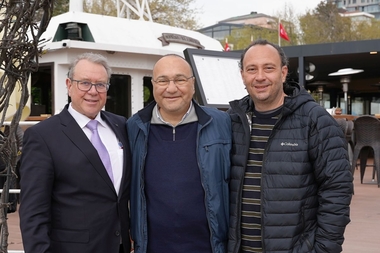
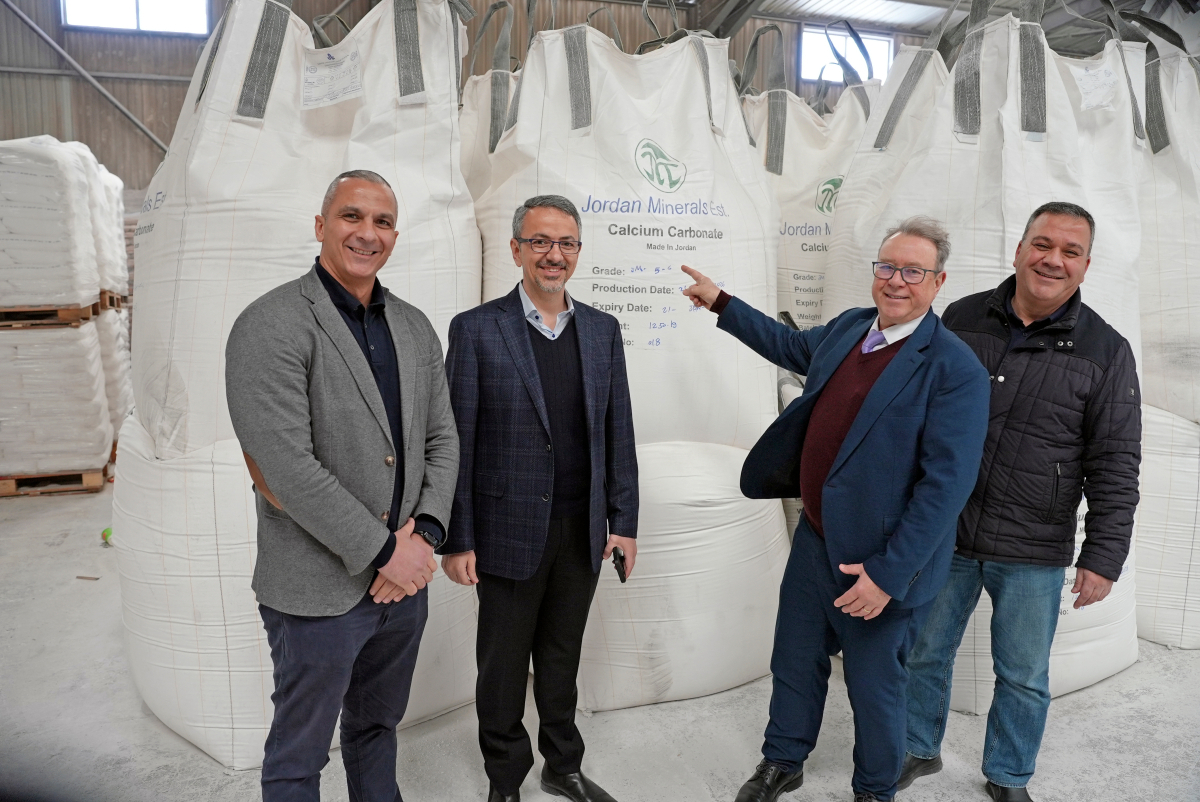
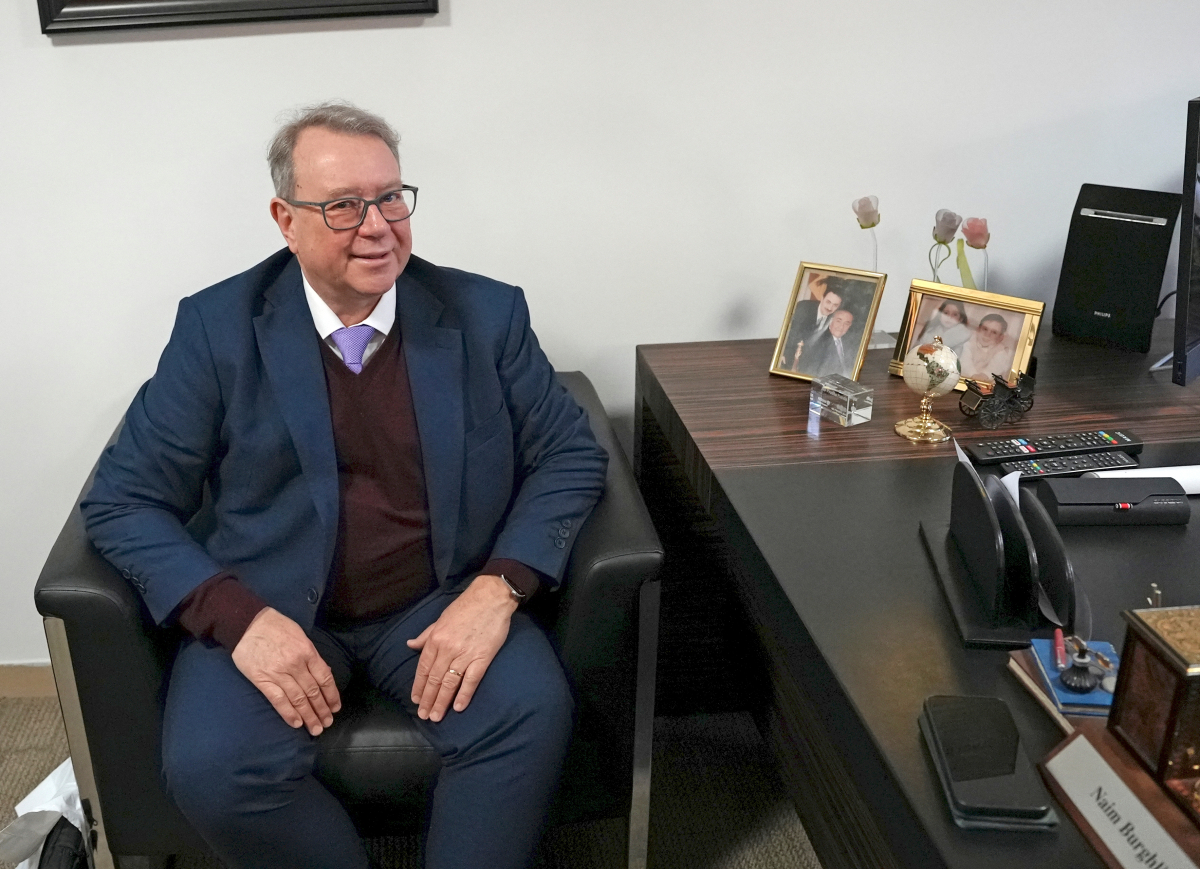
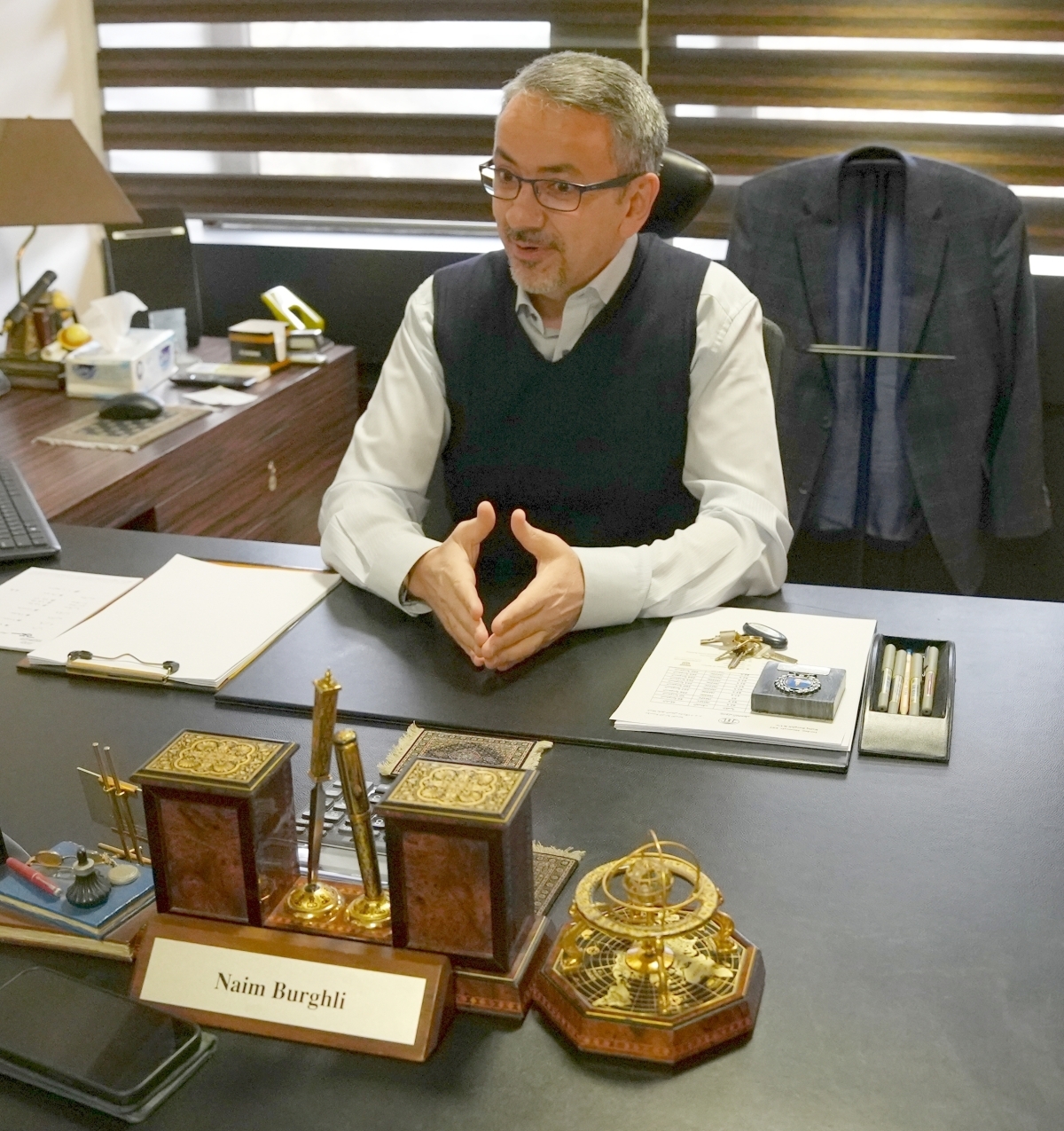
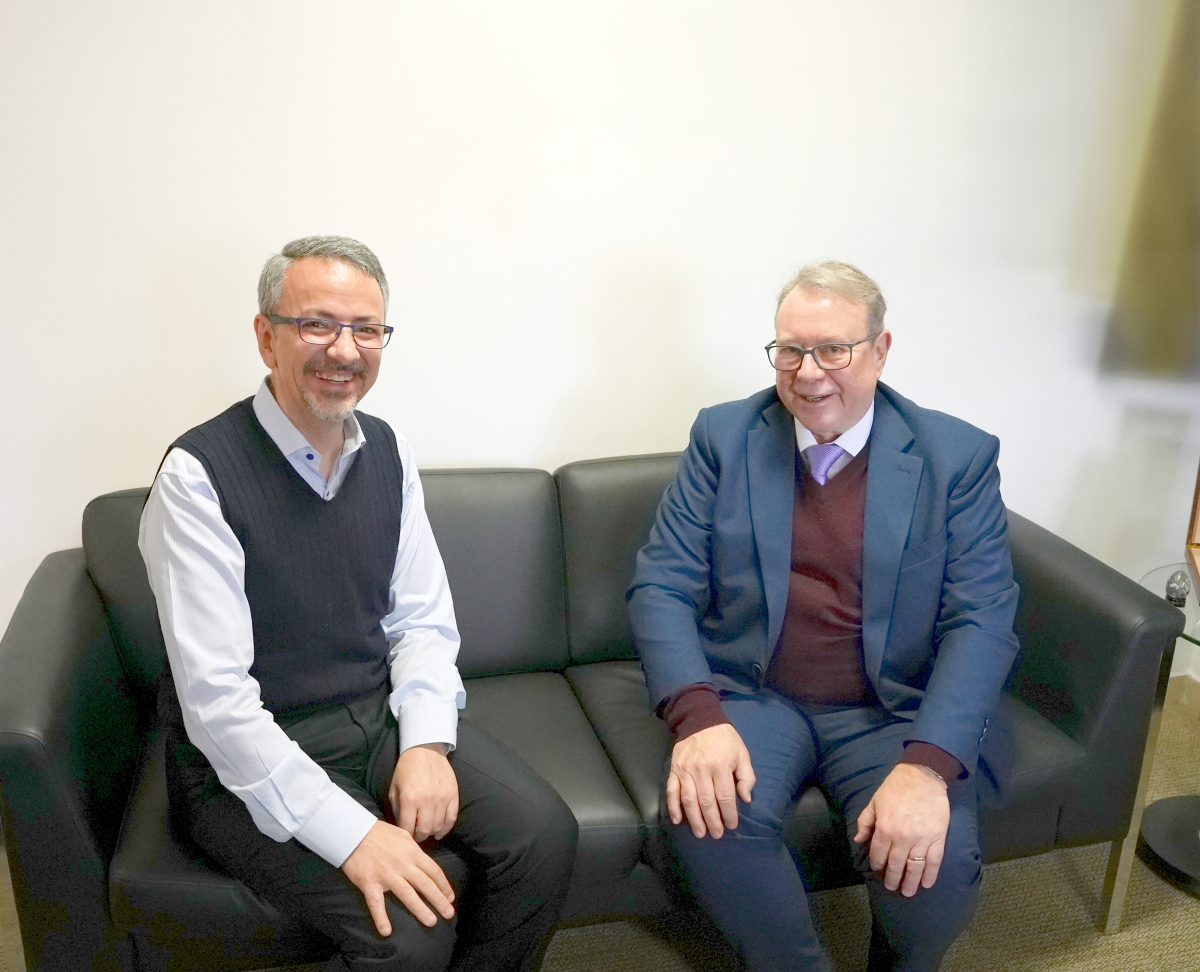
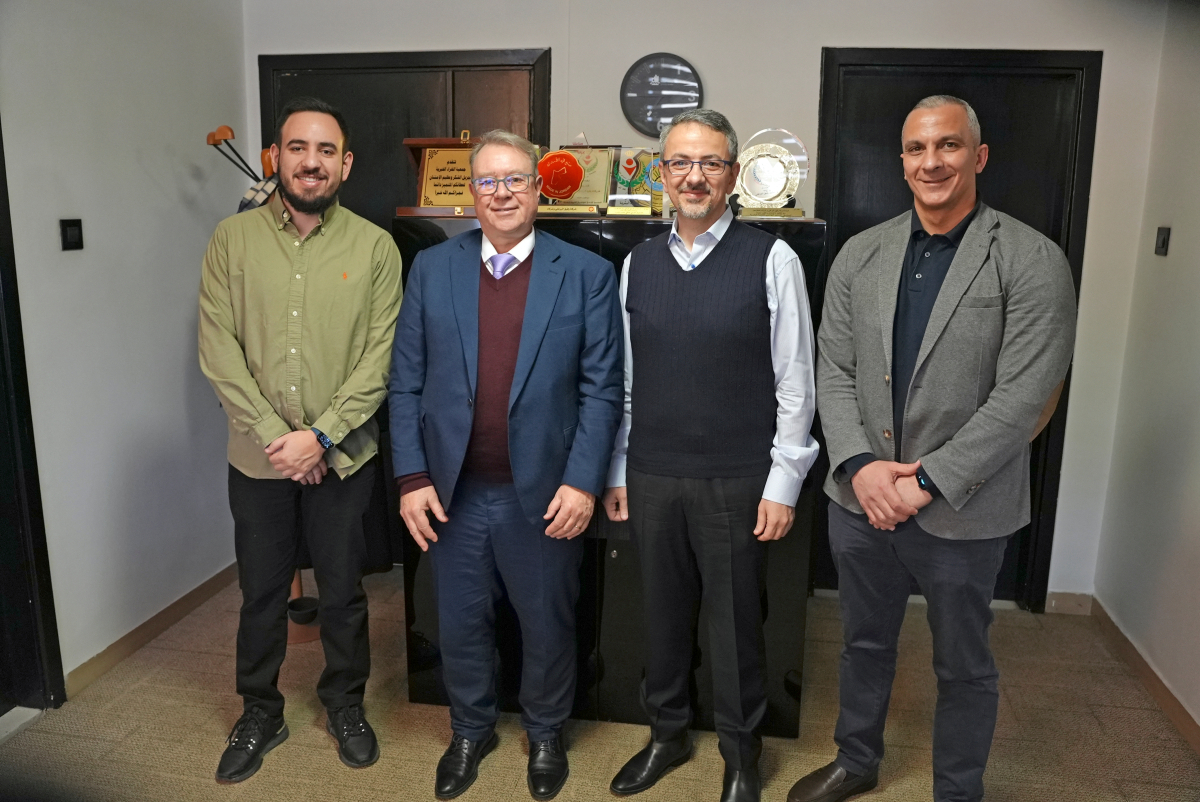
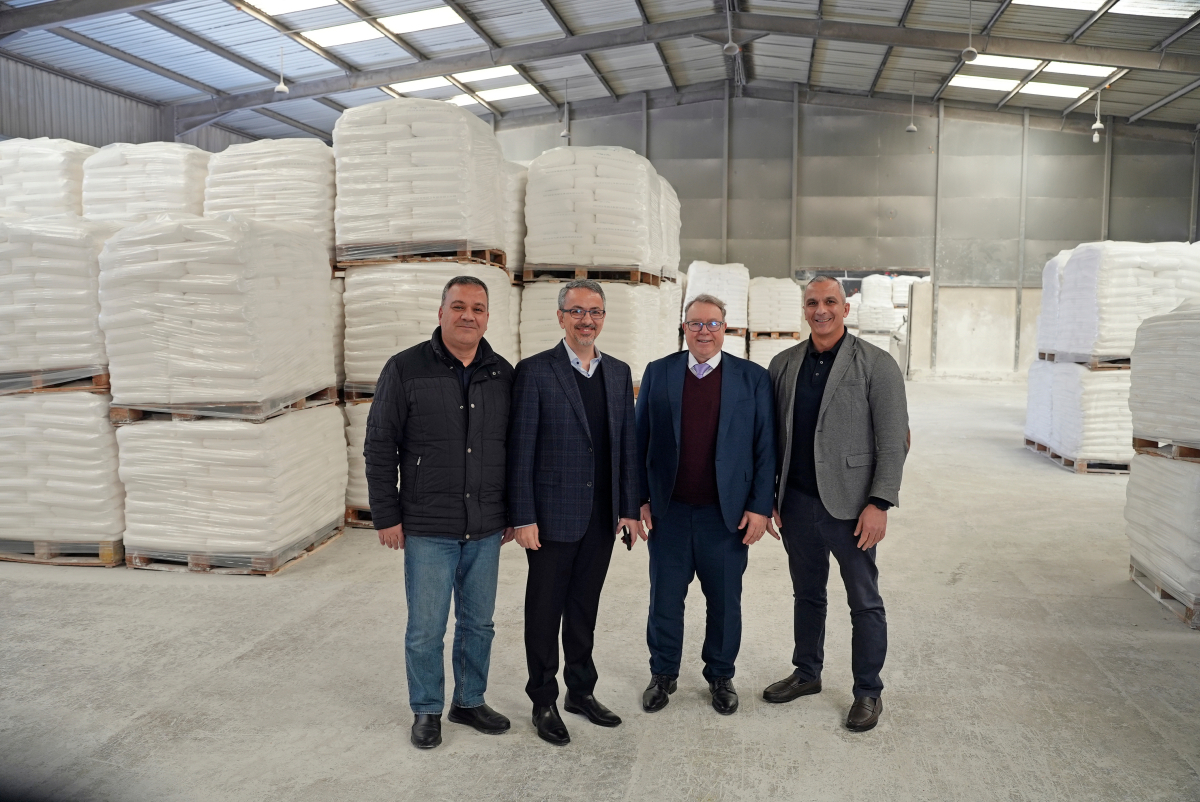
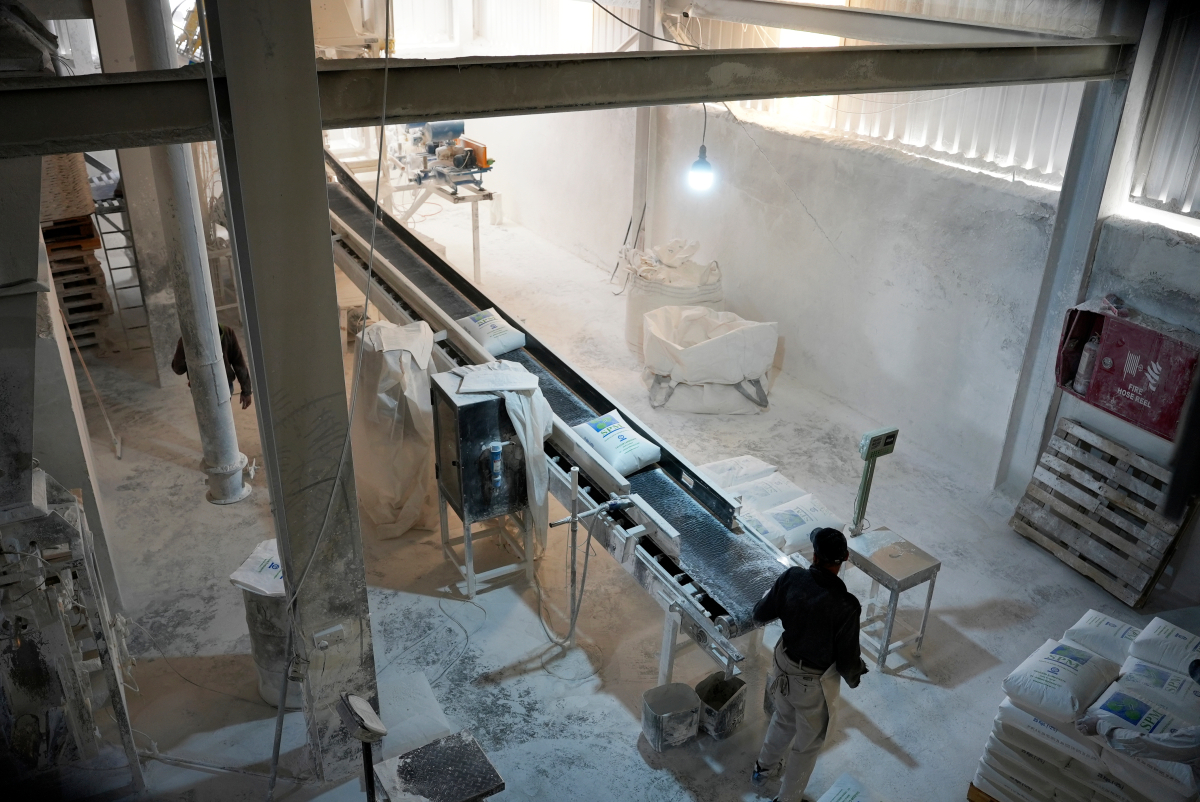
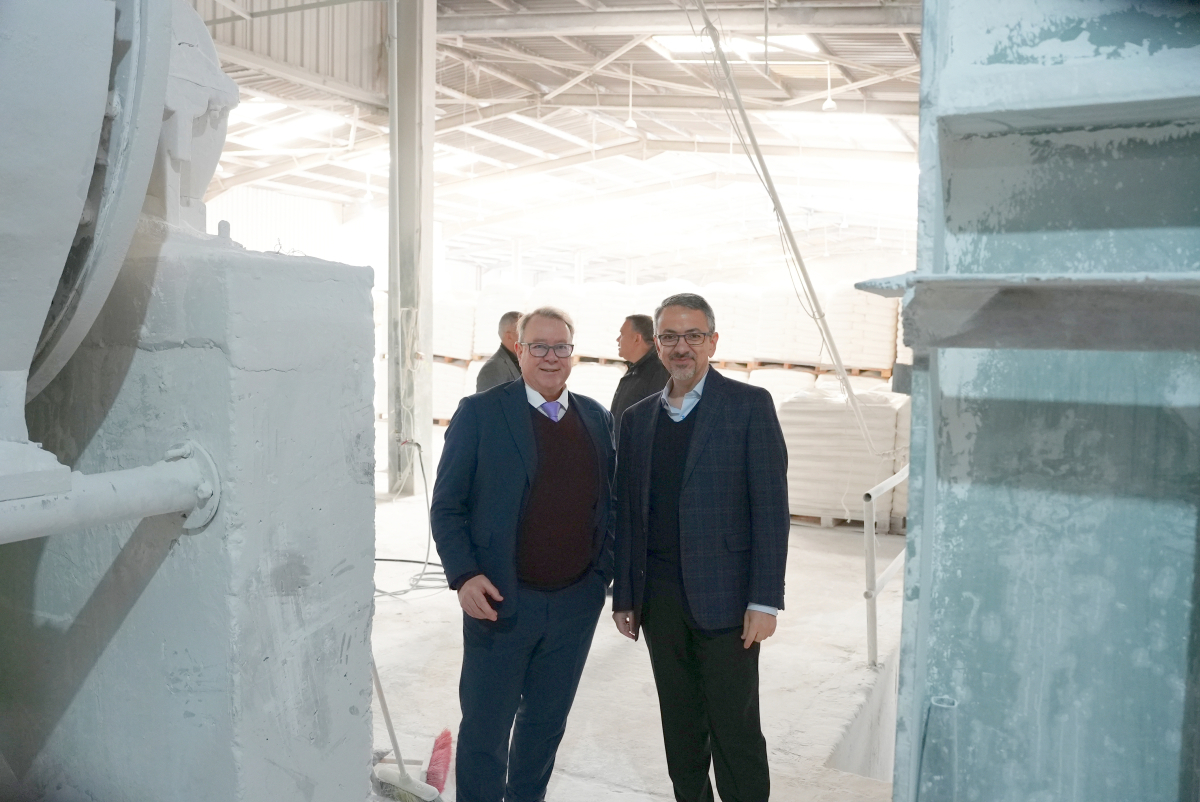
Following the interview, AT MINERAL PROCESSING editor Lukas Höpfner visited Jordan Minerals in Amman together with Dietmar Alber. The company has been using Hosokawa Alpine technology since 1990. Managing Director Naim Burghli looks back on a long shared history with Hosokawa Alpine and Alber.
The discussion was also attended by Suleiman Smadi, MENA Sales Director at Hosokawa Alpine, and Rafiq Burghli, the managing director’s son. In addition to the company’s history, the discussion focused primarily on technological developments in GCC production, the noticeable market changes of recent years and the role of long-term partnerships in an increasingly competitive industry.
Company history
AT MINERAL PROCESSING: Mr Burghli, could you briefly outline the history of Jordan Minerals and its connection to Hosokawa Alpine?
Naim Burghli: Our collaboration with Alpine probably goes back more than 50 years. It began as a partnership between my late father, Rafiq Burghli, and Abdul Karim Hatahed. Together, they established the first GCC production facility in Jordan in 1977. Even back then, Alpine machines were used to produce fine limestone powder.
Later, this partnership came to an end, and in 1983 my father founded Jordan Minerals. However, the connection with Alpine remained. I myself joined the company at the end of 1992. My first direct contact with Alpine was – if I remember correctly – in 1995, when we installed a new air classifier (ATP from Hosokawa Alpine).
Dietmar Alber: Yes, I remember that. We’d actually met once before that. You’d just returned from your studies in the UK at the time. We had dinner together and you told lots of stories from that period – mainly about fast cars. Even back then, there was a real sense of partnership – not just between supplier and customer.
Expansion of GCC production and technological development
AT MINERAL PROCESSING: Does Jordan Minerals focus mainly on ground calcium carbonate?
Naim Burghli: Exactly. We made a conscious decision to specialise in the calcium carbonate business. We did briefly consider other minerals, but that would have required additional investment and systems, whilst the market would have been highly competitive. Furthermore, we have our own high-quality limestone deposits here in Jordan, which will last for generations to come.
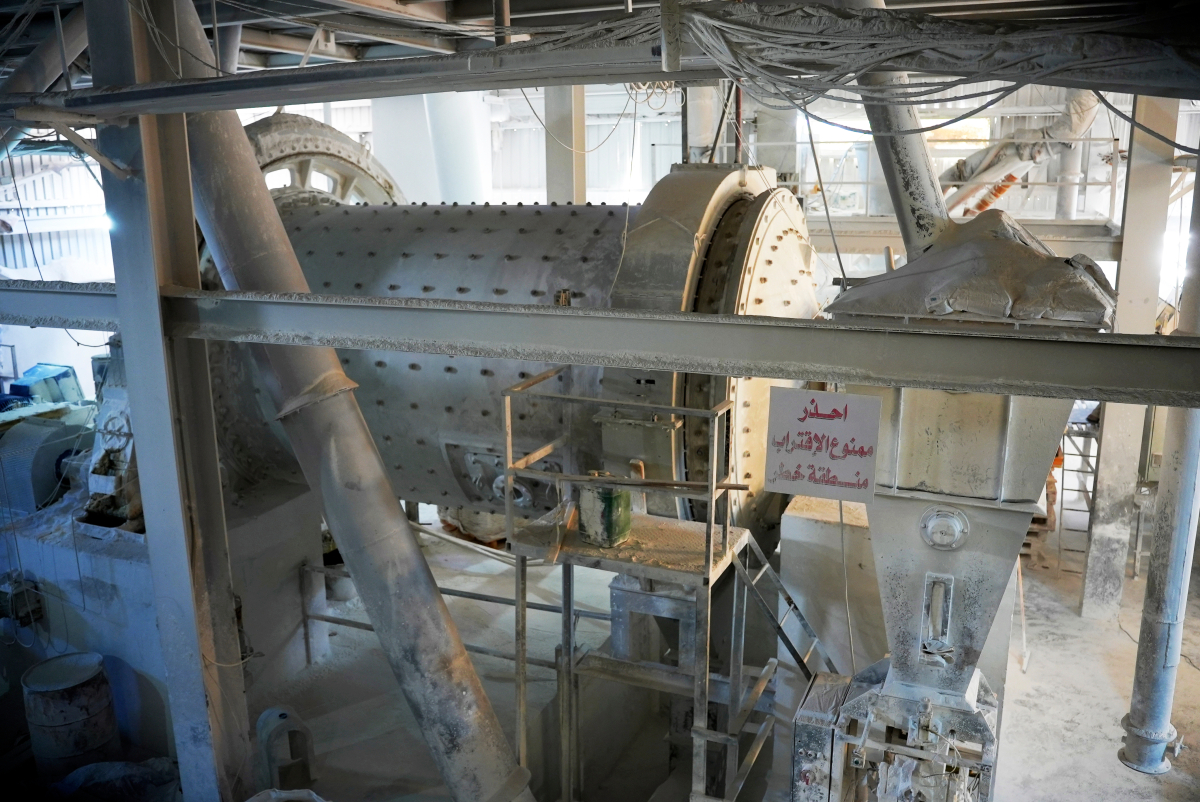
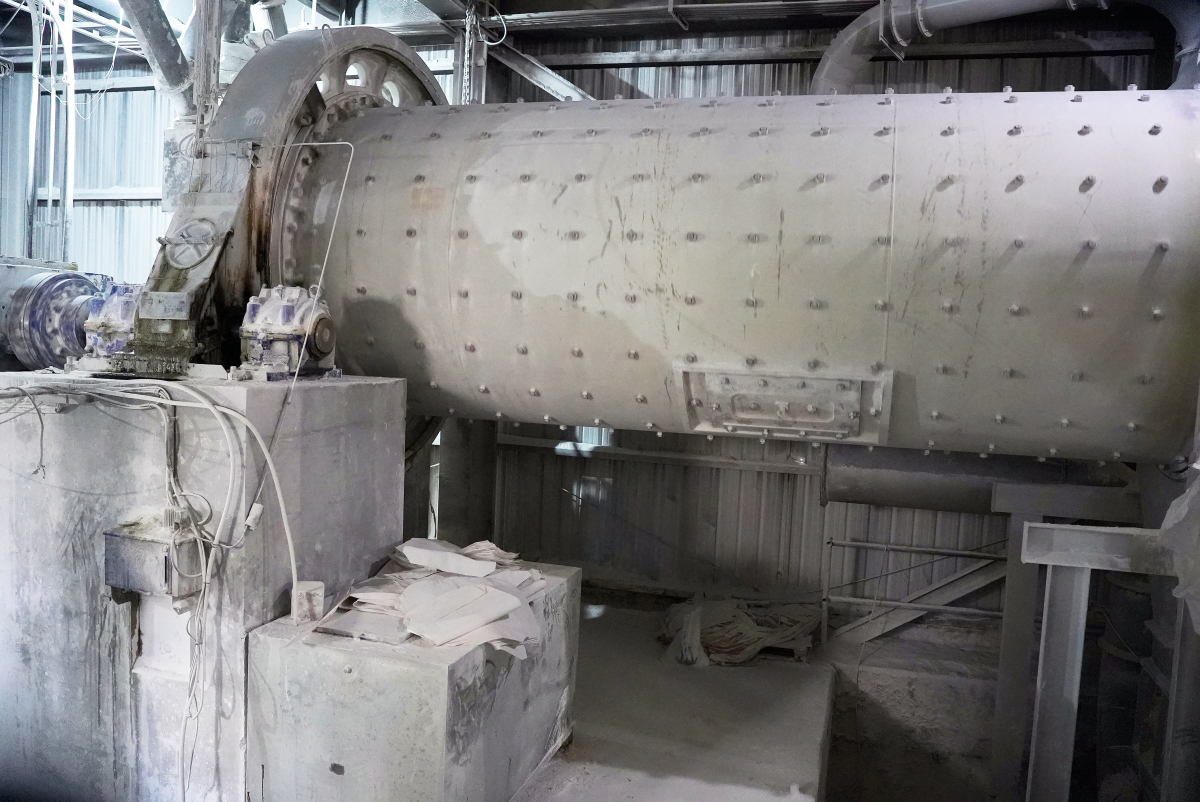
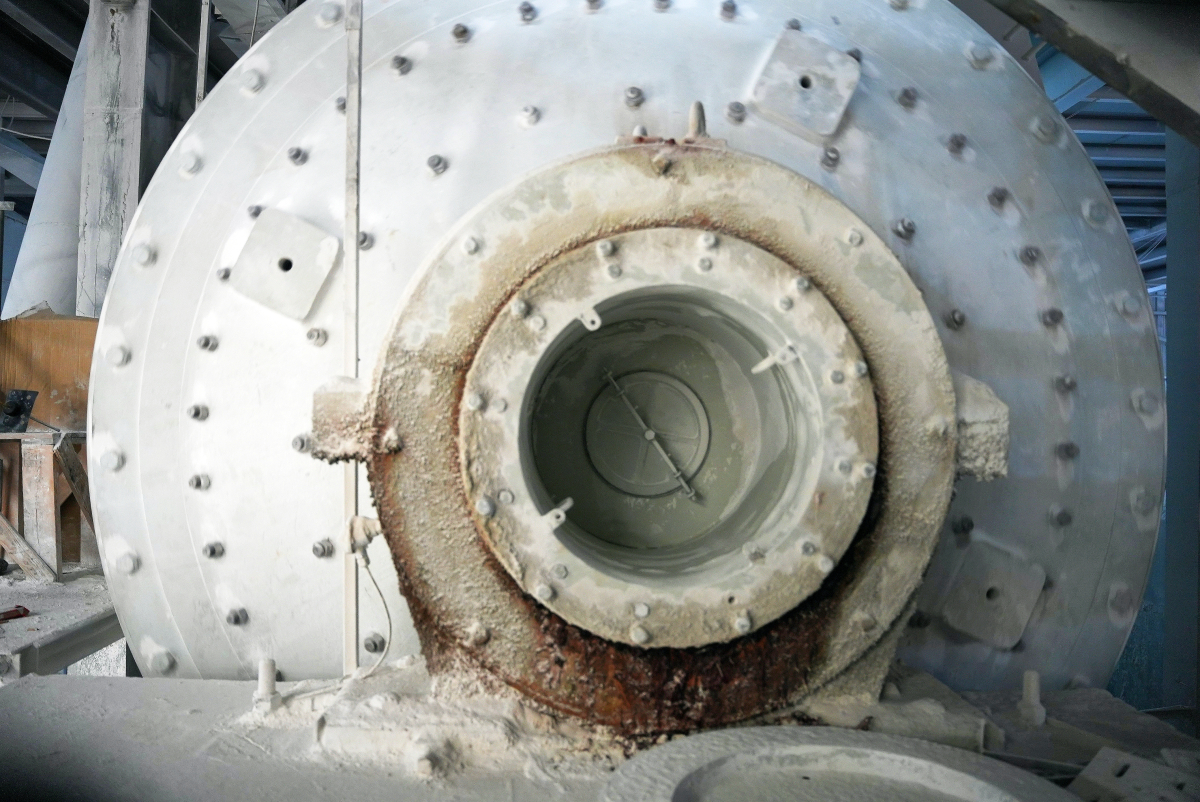
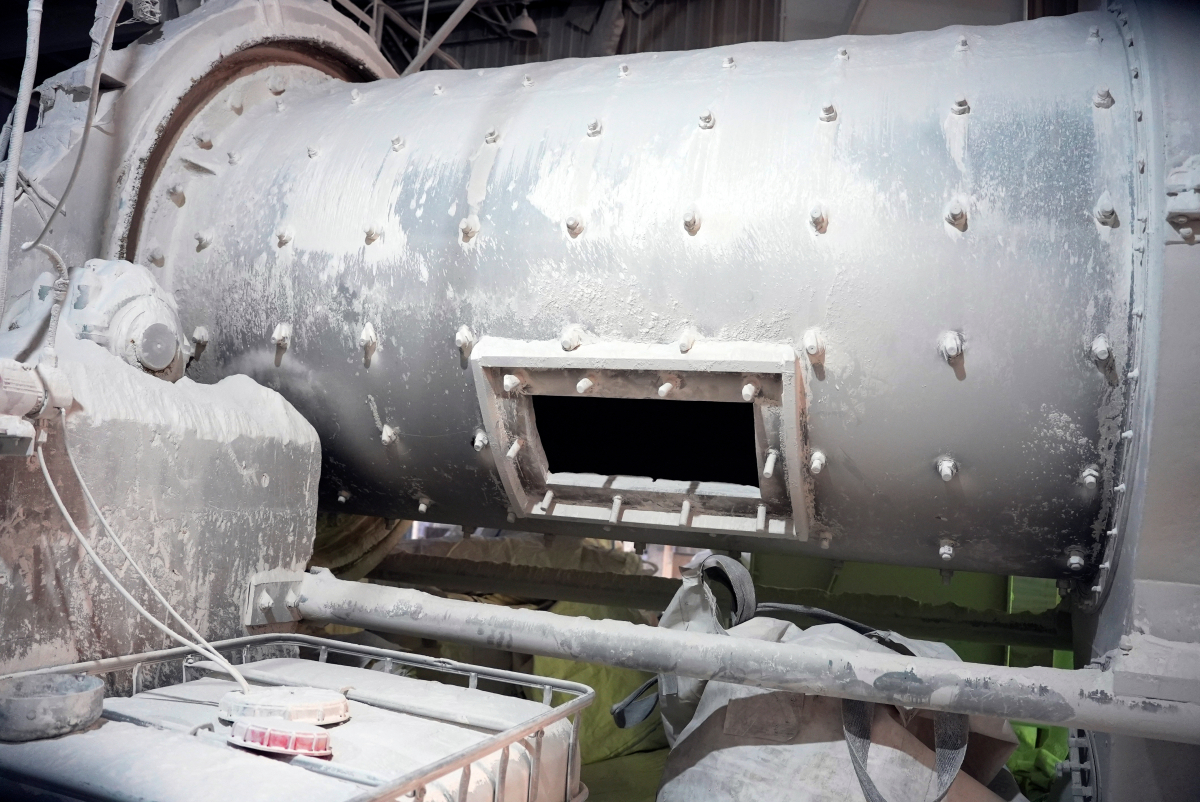
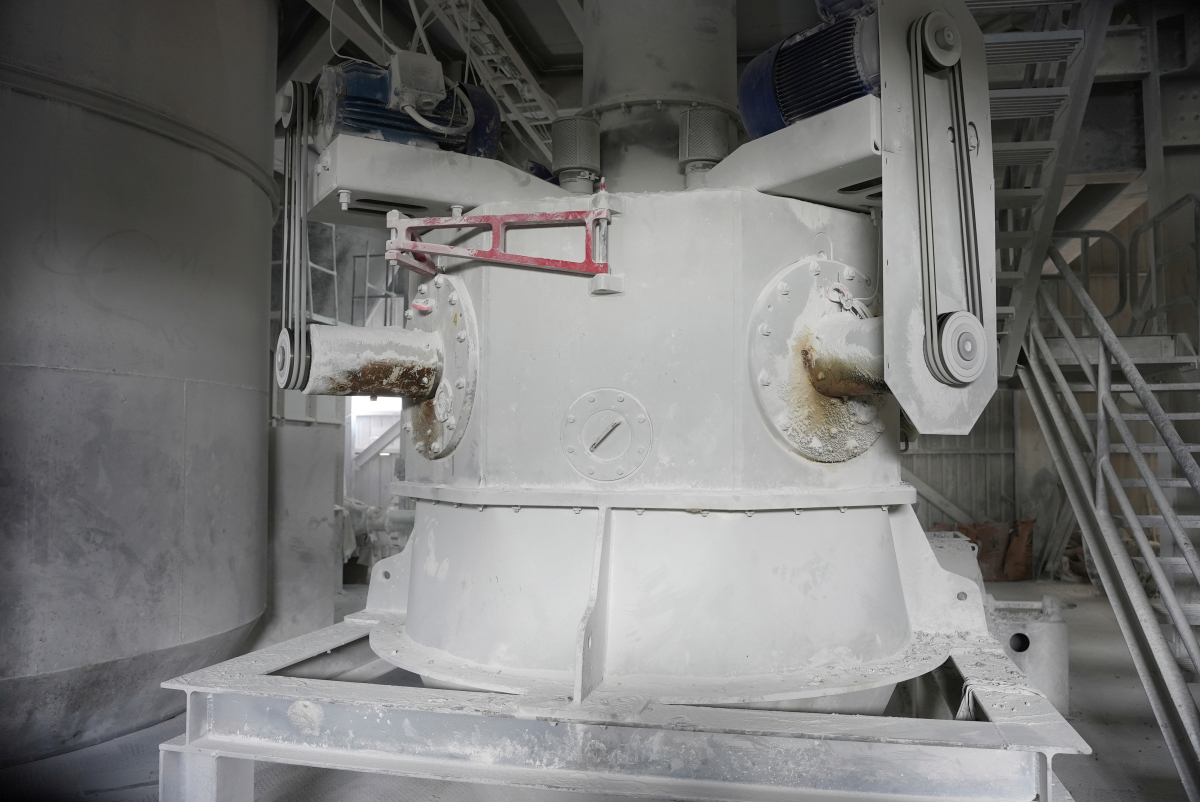
Our first Alpine plant was installed around 1990. It consisted of an S.O. 160/330 ball mill combined with a 500-ATP classifier. We used this mainly to produce naturally fine-ground GCC.
Shortly thereafter, in 1993, the first expansion was implemented with an Alpine Super Orion ball mill S.O. 200/400 (200 kW drive), combined with a larger Alpine Turboplex classifier 750 ATP/GS. This system already achieved a capacity of 2.2 t/h at a fineness of D97 = 10 microns.
In 2001, we installed a larger S.O. 200/600 plant with a 500/4-ATP multi-wheel air classifier. This enabled us to significantly increase our capacity whilst producing finer products with greater consistency, as process technology had already improved considerably by then due to the advent of automation.
As the market increasingly demanded surface-treated products (coated GCC), we began to expand our facilities for the micronisation and coating of GCC:
2004: First 800 CW coating system
2005: Expansion with a 630 C coating system
2006: Installation of an S.O. 270/400 system with 500/4 ATP/NG (New Generation Air Classifier) and TTC ultra-fine air classifier system
2007: Additional CW coating system
2012: Further modernisation with an S.O. 270/400 system and 500/4 ATP/NG classifier
These expansions enabled us to continuously expand our product range whilst significantly improving production stability.
Trend towards larger systems and coated products
Dietmar Alber: You can clearly see the trend towards ever larger production systems here. Whilst ball mills with a drive power of around 100 kW were common in the early 1990s, plants with 700 to 1000 kW now dominate.
AT MINERAL PROCESSING: How has the proportion of coated limestone powder developed during this period?
Naim Burghli: Demand has changed significantly. When Dietmar joined Alpine in the 1980s, coated products accounted for perhaps 10 to 20 % of production. Today, as with most GCC producers, the figure is over 50 %; for us, it is even around 70 %. The coating quality must be absolutely consistent. For the plastics and masterbatch industry, this consistency is crucial to the high quality of the end products.
Dietmar Alber: Exactly. In this industry, the foundation of success is "consistency" – particularly in maintaining a constant particle size distribution right from the micronisation process and, above all, in the surface treatment of the ground GCC using technical stearic acid or other chemical agents. Only stable process conditions deliver consistently reproducible products across all relevant parameters.
AT MINERAL PROCESSING: And have the newer systems helped to achieve this consistency?
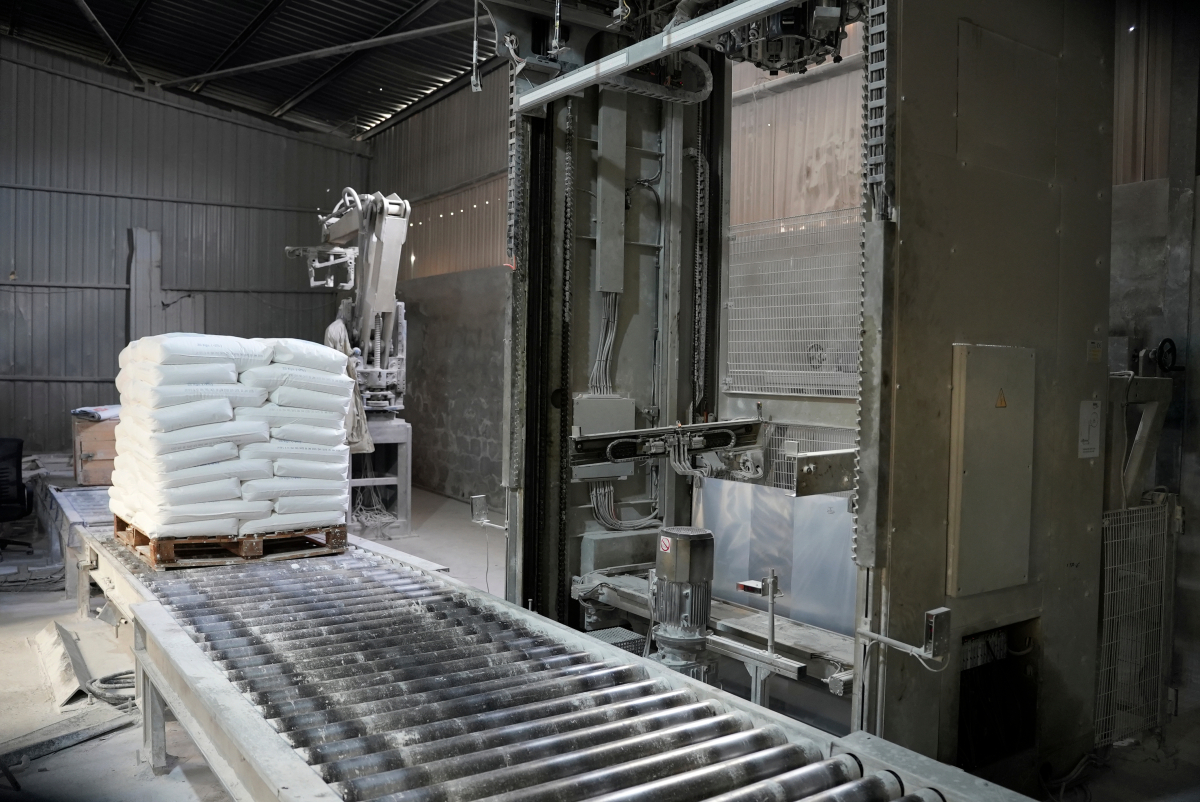
Naim Burghli: Exactly. Thanks to improved control capabilities provided by modern electronics, process engineering is now significantly more efficient and ensures consistently high product quality. This consistency is particularly crucial for the plastics industry, as it forms the basis for high-quality end products with consistent quality and low costs. We defined clear quality standards many years ago, and these still apply today. New products meet at least this standard, and even long-established products continue to be manufactured to the same specifications and capacities. Our customers can therefore rely not only on consistent quality but also on our high delivery reliability. This is aided by the fact that Alpine systems operate reliably around the clock – with downtime occurring only during scheduled maintenance.
Market changes since COVID
AT MINERAL PROCESSING: How has the market developed in recent years?
Naim Burghli: Up until 2019, the market was developing very positively. We were even considering installing another production line. Then came COVID – and suddenly many companies were investing in new GCC production facilities in the region, particularly in Jordan. One manufacturer was offering products at extremely low prices. This created the international perception that GCC from Jordan must, by definition, be very cheap. For example, in India, a new Jordanian competitor was offering prices 35 % below our minimum quoted price. Even though we had significantly better quality products, we eventually had to abandon this market.
Fortunately, we had already started tapping into other markets early on – particularly Africa, where we have been active since 1997. This helped us to weather this difficult phase. Here, we have prevailed against international suppliers and managed to consolidate our position – thanks to consistent quality.
Technology, quality and long-term partnership
AT MINERAL PROCESSING: Would you say that your consistent product quality is closely linked to the technology you use?
Naim Burghli: Yes, definitely. When we were considering a new production line, we were also approached by other system manufacturers. Some offered significantly lower prices. But I told Alpine: “I don’t want to buy any other machines. I’m your man – give me the package again, just as you always have.” In all these years, we haven’t had a single failed project with Alpine. This long-term partnership is an important part of our success. We will also turn to Alpine first for future investments. Although we work with many suppliers, the collaboration with Hosokawa Alpine is on a different level: rather than simply selling machines, Alpine brings in-depth industry knowledge to the table, analyses customer needs and recommends the appropriate technology and capacity – even before the sale is discussed.
AT MINERAL PROCESSING: Could you tell us your current sales breakdown: local versus export and coated versus uncoated?
Naim Burghli: Today, we sell around 25–30 % of our production locally, whilst the rest is exported. Our finest standard product is currently only around 8 µm (d97). Finer grades are technically possible, but often not economically viable. For example, we used to operate a TTC system that allowed us to manufacture very fine products – around d97 of 4–5 µm. Technically, it worked well, but demand was low and the additional profit was also low. That is why we no longer actively pursue these fine grades.
Energy efficiency remains a key issue in general. Alpine technology is already extremely efficient, but I hope there’s still room for improvement. Profit margins in the GCC business are significantly lower today than they used to be, and every penny saved on energy helps here. Ten to fifteen years ago, much higher profit margins were possible, as there was less competition and, above all, fewer Alpine systems on the market. Our advantage, therefore, is the diversification of our markets. If we were to focus solely on the local and regional market, it would be very difficult economically.
AT MINERAL PROCESSING: What role do geopolitical developments play in your business?
Naim Burghli: Jordan is heavily affected by regional political developments. We have no direct access to the sea and ship via Aqaba on the Red Sea. The current situation has made logistics considerably more difficult. In the past, a delivery to South Africa took around 17 days. Today, it can take an unpredictable 25 to 30 days, which makes our planning considerably more difficult.
Farewell to Dietmar Alber
To conclude the conversation, Burghli addresses a few personal words to his long-standing colleague: “It’s lovely to see you here today, Dietmar. Time flies incredibly fast. But retiring doesn’t mean sitting still – stay active.”
Dietmar Alber laughs. “I’m actually almost busier today than I used to be.”
Burghli adds: “Experience is priceless. Many young engineers can benefit from it, and there are fewer and fewer experienced professionals in our industry who understand both process engineering and the application of industrial minerals.”
Authors:
Dietmar Alber, Private Consultant, & Lukas Höpfner, Editor AT MINERAL PROCESSING